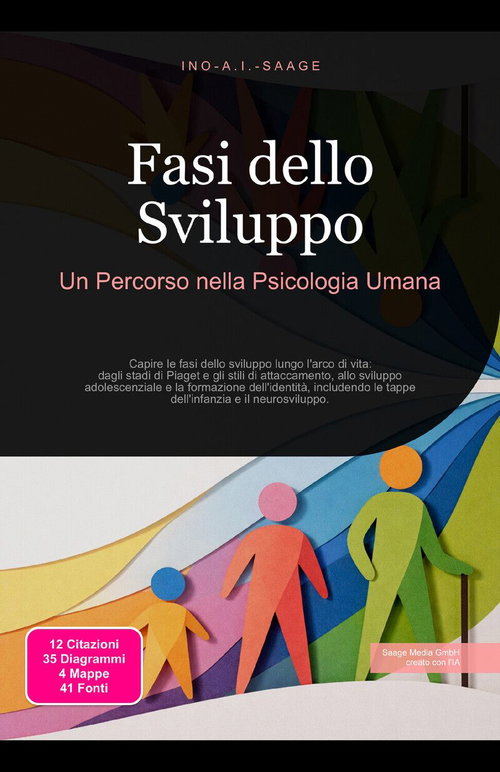
This volume provides a structured overview of human development, examining the progression from infancy through adulthood. The book delves into the fundamental principles of psychology related to lifespan development, offering insights into the processes that shape individuals over time.


The content begins with an exploration of early development, focusing on neurodevelopment and the importance of sensory stimulation and motor skill acquisition. It addresses the establishment of secure attachment styles, analyzing the role of caregiver responsiveness and consistent routines in laying emotional foundations.This section provides a basis for understanding developmental stages from their very inception.
The book then transitions to the formative years of childhood, guiding the reader through key childhood milestones. It discusses cognitive development, referencing the Piaget stages to explain the growth of symbolic play and logical thinking. The development of social competencies, including cooperation, conflict resolution, and friendship building, is also examined in detail.
A significant portion is dedicated to adolescent development. This chapter addresses the physical changes of puberty and the complex process of identity formation. It explores the exploration of personal values, career orientation, and the negotiation of autonomy within the family structure. The text also covers challenges pertinent to this life stage, such as peer pressure and media literacy.
Finally, the book extends its scope to cover development across the adult lifespan. It discusses the transitions of young adulthood, including establishing professional independence and forming intimate relationships. The tasks of middle adulthood and the wisdom of later life are also considered, providing a comprehensive perspective on lifelong growth. This work serves as a resource for anyone interested in a deeper understanding of psychology, attachment styles, and the continuous journey of human development.
For this book, we have used modern technologies – including Artificial Intelligence and individually developed software solutions. They were used in many phases of the creation process: from brainstorming and research to writing and editing, as well as quality assurance and the design of the decorative illustrations.
Our goal is to offer you a reading experience that is particularly coherent and contemporary. The content of this book is, for the most part, AI-generated.