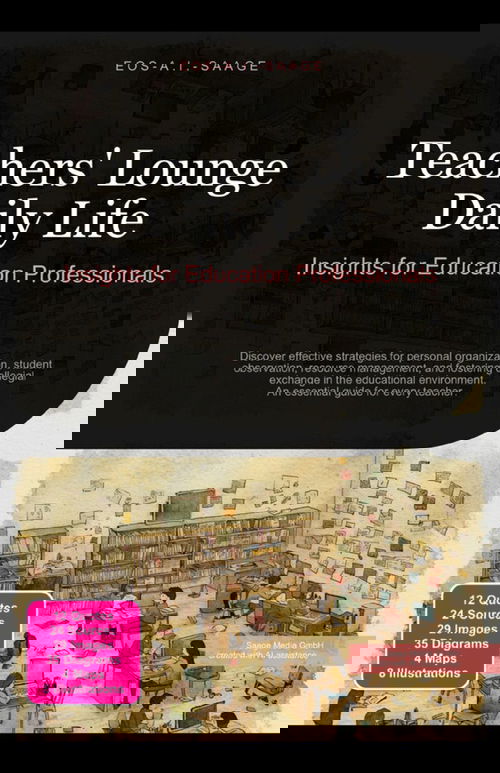
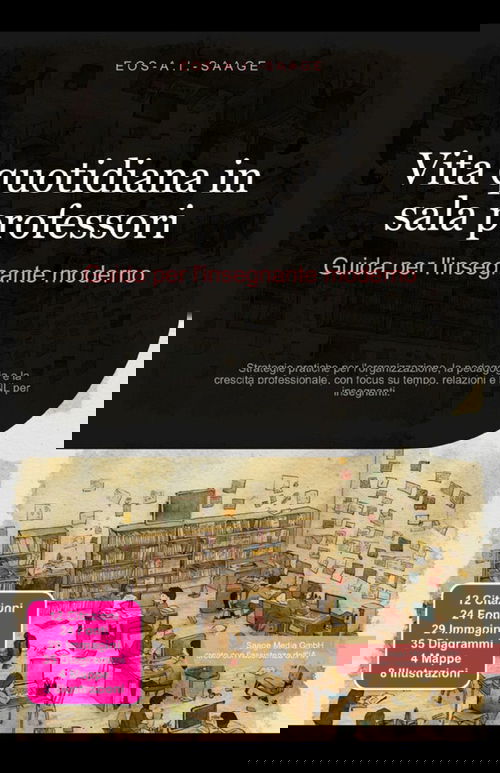
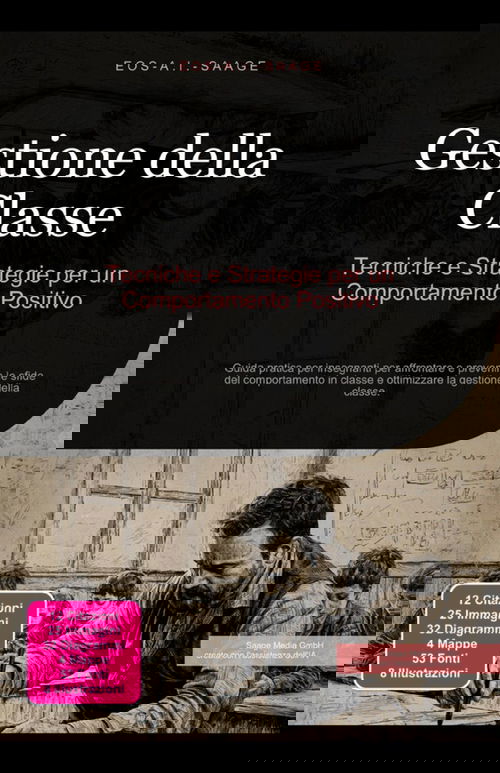
This guide offers practical insights into the daily professional life of a teacher, focusing on key areas that contribute to a structured and effective educational practice. It is designed for teachers seeking to refine their methods and enhance their daily routines.
The book addresses the foundational aspect of personal work organization and professional time management. It presents strategies for prioritizing daily and weekly goals, handling unforeseen interruptions, and using a teacher planner as a central organizational tool. You will find approaches to structuring your planner,comparing digital and analog systems, and integrating long-term curriculum planning.
Further, it delves into core pedagogical tasks. This includes methodical student observation, such as documenting learning progress and social behavior to derive individual support measures. The guide explores the practical implementation of differentiation in the classroom, methods for increasing student motivation, and the establishment of a constructive feedback culture. It also provides guidance on preparing for parent-teacher conferences, from structuring the conversation to developing joint agreements.
Resource management is another critical focus. The book provides suggestions for organizing teaching materials, both in physical filing systems and digital databases. It covers the management of personal and classroom-related supplies and the considered use of technical equipment like copiers and internal communication platforms.
Finally, the guide examines professional interaction and collegial exchange. It looks at the teachers' lounge as a social hub, discussing informal communication, constructive conflict resolution, and fostering mutual support. It also touches upon communication skills for the teaching profession, such as active listening and providing appreciative feedback, as well as collaborative approaches to shaping the educational mission within the school community.