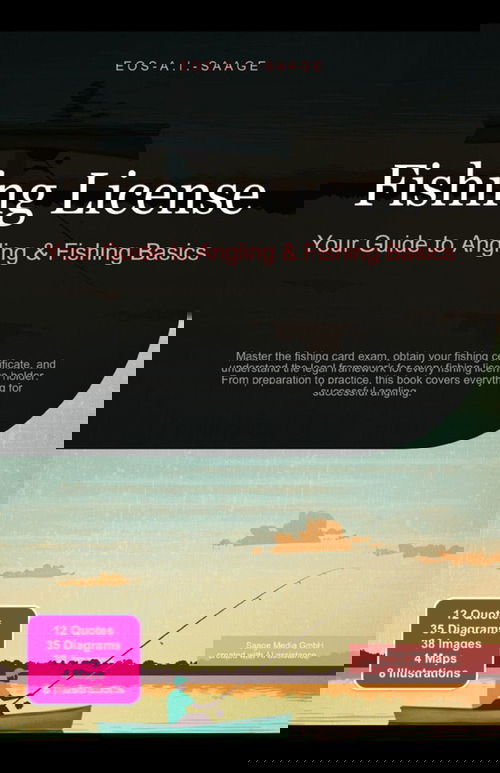
This guide provides a structured pathway to obtaining your fishing license and offers valuable insights for every fishing licence holder.

It begins with a detailed overview of the preparation for the fishing card exam. Learn how to select a preparatory course, effectively use official study materials, and develop a personalized learning schedule. The book covers the essential theoretical knowledge for successful angling, including general and specific fish species identification, water body ecology, and the principles of conservation. Furthermore, it addresses the crucial legal aspects of animalwelfare and fishing regulations.
The practical elements of the examination are also thoroughly explained. You will receive guidance on assembling your fishing equipment, mastering essential knots, and the proper, humane handling of your catch.
The book walks you through the entire official examination process, from registration and submission of documents to understanding the fee structure. It details the procedures for both the theoretical and practical components of the exam and provides strategies for managing test-day stress. You will also find information on the steps to take after passing to receive your fishing certificate, what to do in case of failure, and how your qualification is recognized in different areas.
Once you have your fishing certificate, the guide explains how to apply for the actual fishing license and the necessary fishing card or permit. It clarifies the distinction between the license and permits, outlines where to obtain them, and describes the various types of permits available. A significant section is dedicated to the legal framework every angler must adhere to at the water's edge, including the requirement to carry documents and what to expect during inspections.

Finally, the guide supports the fishing licence holder in practice. Topics include selecting the right fishing spot, observing closed seasons and size limits, and maintaining your equipment. It highlights legally required gear and offers advice on responsible practices such as keeping a catch log and contributing to environmental protection efforts.