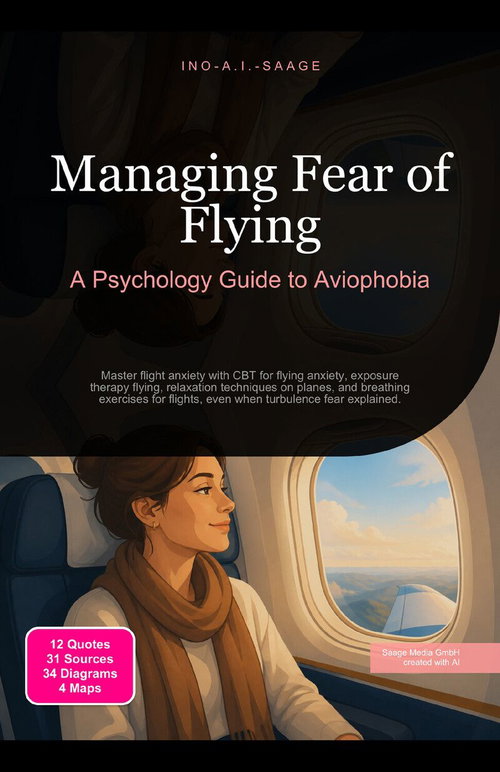
This guide offers a structured approach to understand and overcome fear of flying, grounded in established psychology principles. It provides a detailed examination of aviophobia, beginning with the psychological foundations of flight anxiety. You will explore how the brain processes fear, the connection between physical symptoms and psychological responses, and how specific flight-related fears develop. The guide also addresses common cognitive distortions, such as catastrophic thinking and the feeling of losing control, which often intensify the fear.
A core component of this book is dedicatedto Cognitive Behavioral Therapy (CBT for flying anxiety). You will learn practical methods to identify, challenge, and restructure negative thought patterns associated with flying. This includes techniques for mentally preparing for a flight, such as visualization and creating a personal coping plan for challenging moments. A specific section provides a clear, rational explanation of turbulence, helping to demystify one of the most common triggers for anxiety. The section explaining turbulence fear aims to reframe your understanding of air movements.
To manage anxiety in the moment, the guide presents various relaxation techniques during flights. These include specific breathing exercises for flights, like diaphragmatic breathing and the 4-7-8 method, designed to calm the nervous system. Additionally, you will find instructions for progressive muscle relaxation and mindfulness exercises that can be discreetly practiced in your seat.
The book culminates in a section focused on actively overcoming your fear through exposure therapy for flying. It explains how to create a personal fear hierarchy and gradually confront flight-related situations to reduce anxiety through habituation. This step-by-step process supports you from imagined exposure to taking a real flight. With these integrated flight anxiety tips, you can develop a comprehensive strategy to manage and ultimately overcome aviophobia.
For this book, we have used modern technologies – including Artificial Intelligence and individually developed software solutions. They were used in many phases of the creation process: from brainstorming and research to writing and editing, as well as quality assurance and the design of the decorative illustrations.
Our goal is to offer you a reading experience that is particularly coherent and contemporary. The content of this book is, for the most part, AI-generated.