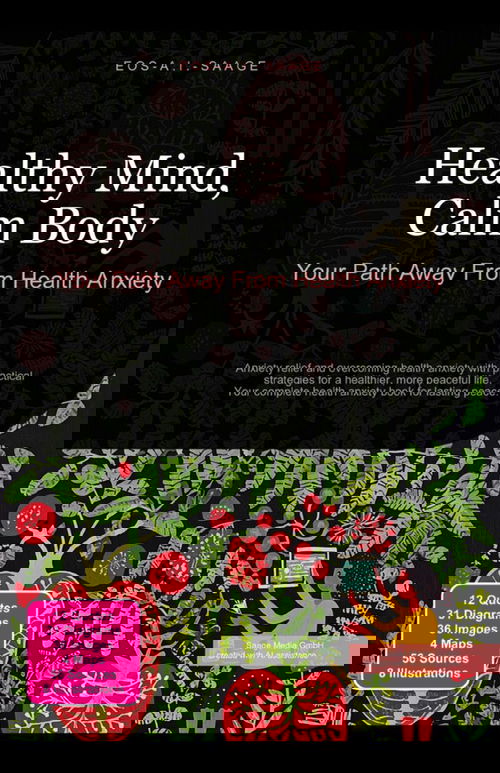
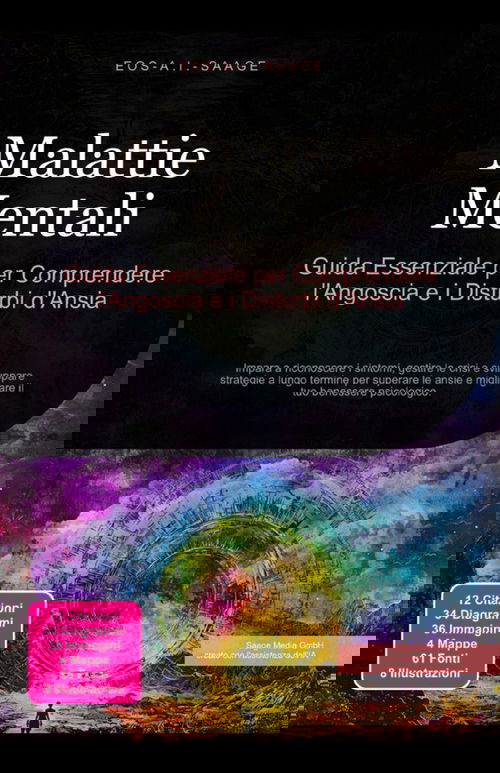
This guide provides a structured approach to understanding and managing an anxiety disorder. It offers insights into the various facets of this condition, starting with the fundamentals of self-perception for individuals facing mental illnesses.
Learn to recognize the specific signs and symptoms of anxiety by interpreting physical signals, perceiving emotional changes, and identifying behavioral patterns. The book explores the significant impact of anxiety on daily life, including its effects on professional performance, social relationships, and personal leisure time. It also addresses the roleof one's personal environment, offering guidance on communicating needs, setting boundaries, and building a supportive network.
For moments of acute anxiety, practical immediate and self-help measures are presented. These include body-oriented calming techniques such as targeted breathing exercises and progressive muscle relaxation, as well as cognitive strategies for managing anxious thoughts. The guide also covers how to create a low-stimulus environment to reduce stress.
For long-term management, the focus shifts to establishing stabilizing daily routines, including the importance of sleep, nutrition, and regular physical activity. Readers will find methods for strengthening psychological resilience through mindfulness, self-compassion, and developing problem-solving skills. A central part of the book is dedicated to dealing with the anxiety disorder itself, covering the identification of personal triggers, gradual exposure to them, and creating a personal plan for setbacks.
Finally, the book provides information on seeking and utilizing professional support. It offers orientation on navigating the healthcare system, selecting appropriate therapeutic options, and preparing for initial consultations. The text outlines how to actively collaborate with professionals, discuss medication openly, and integrate therapy effectively into daily life for lasting well-being.